St George's Day
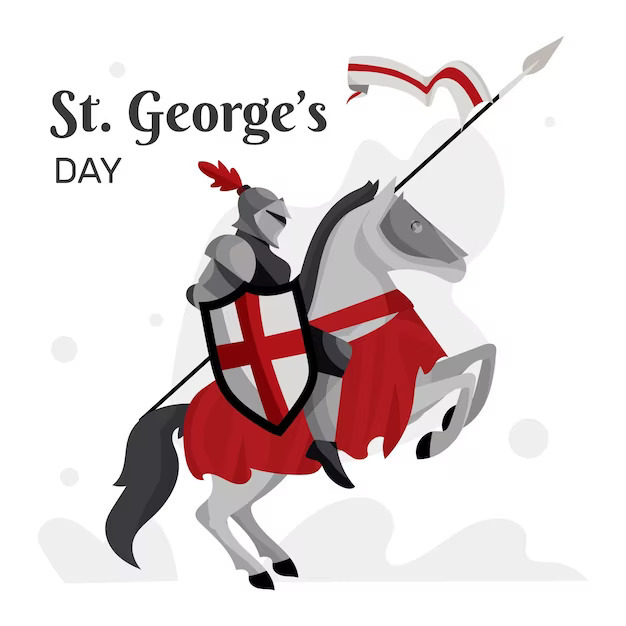
Patron Saint of England, Martyr, 4th century — Commemoration
Few saints have been as widely popular as the martyr named George, a Roman soldier who suffered for the faith in the early fourth century.
The circumstances of his martyrdom are obscure, but we know that the Roman authorities were worried by the number of soldiers who were secret Christians and took harsh measures against them. The situation was all the more remarkable because at that time soldiering was still one of the careers which the Church did not allow its members to follow — so that George was not baptized when he died. It was not unusual for people in his circumstances to delay baptism until they had retired from active service. But the Church believed that, by his martyrdom, George had (if anything) a better kind of baptism, because he shared in the suffering and death of Christ himself.
In later centuries, as his cult spread westwards, George became the model of a perfect Christian warrior — just the sort of figure that appealed to medieval English kings when they placed their wars of conquest under his protection. That is how St. George came to be invoked as the patron saint of England. But another and far more widespread tradition has seen him as the pattern of what it means to be a Christian in the world — as an image of every Christian’s daily warfare against the forces of sin, ignorance, fear, and injustice.